When a crown may be suggested
A crown may be considered for a tooth with substantial damage, a large existing restoration or particular needs after root canal treatment. It is not automatically needed for every crack or filling. The dentist assesses how much sound tooth remains and whether the tooth can be restored. Sometimes another restoration or a different approach may be discussed. A crown covers an existing tooth; a bridge replaces a missing tooth by using supporting teeth or implants. Our crowns and bridges overview introduces the distinction, but an examination is needed to compare options for you.
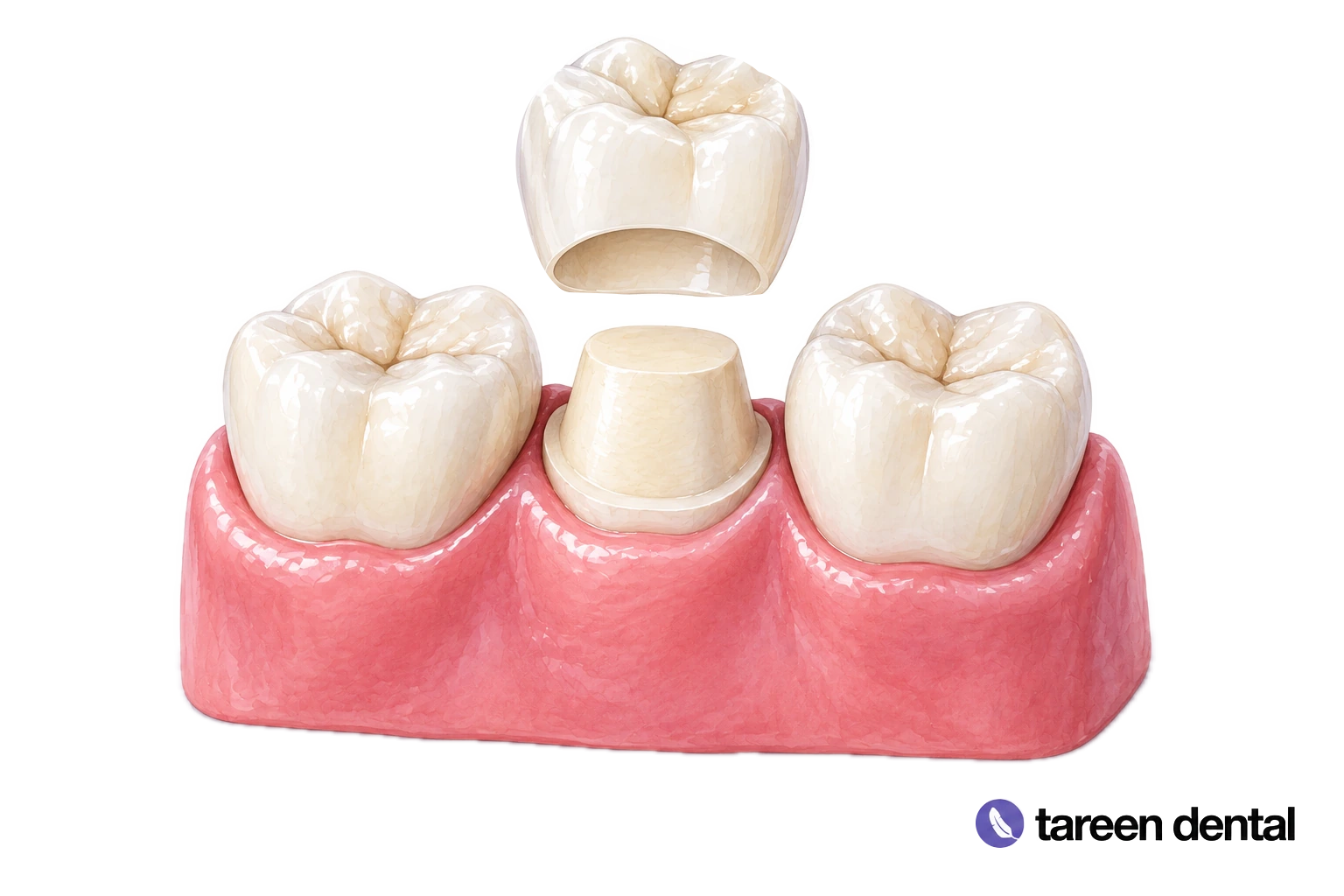
Bridge versus an implant
Patient education by Spear Education. Your dentist can explain which options apply to you and whether a referral is needed.
Implant-supported bridge video
Implant bridge
From assessment to fitting
Assessment can include an examination and X-rays when indicated. If a crown is selected, the tooth is prepared and a record of its shape is taken for the restoration. A temporary restoration may be used between appointments. At fitting, the dentist checks the crown in relation to the tooth, gums and bite before discussing placement. Tell the dentist if the bite feels different or something does not feel as expected. The sequence can change when other care is needed first. Ask which stages apply to your tooth and what you should do between visits.
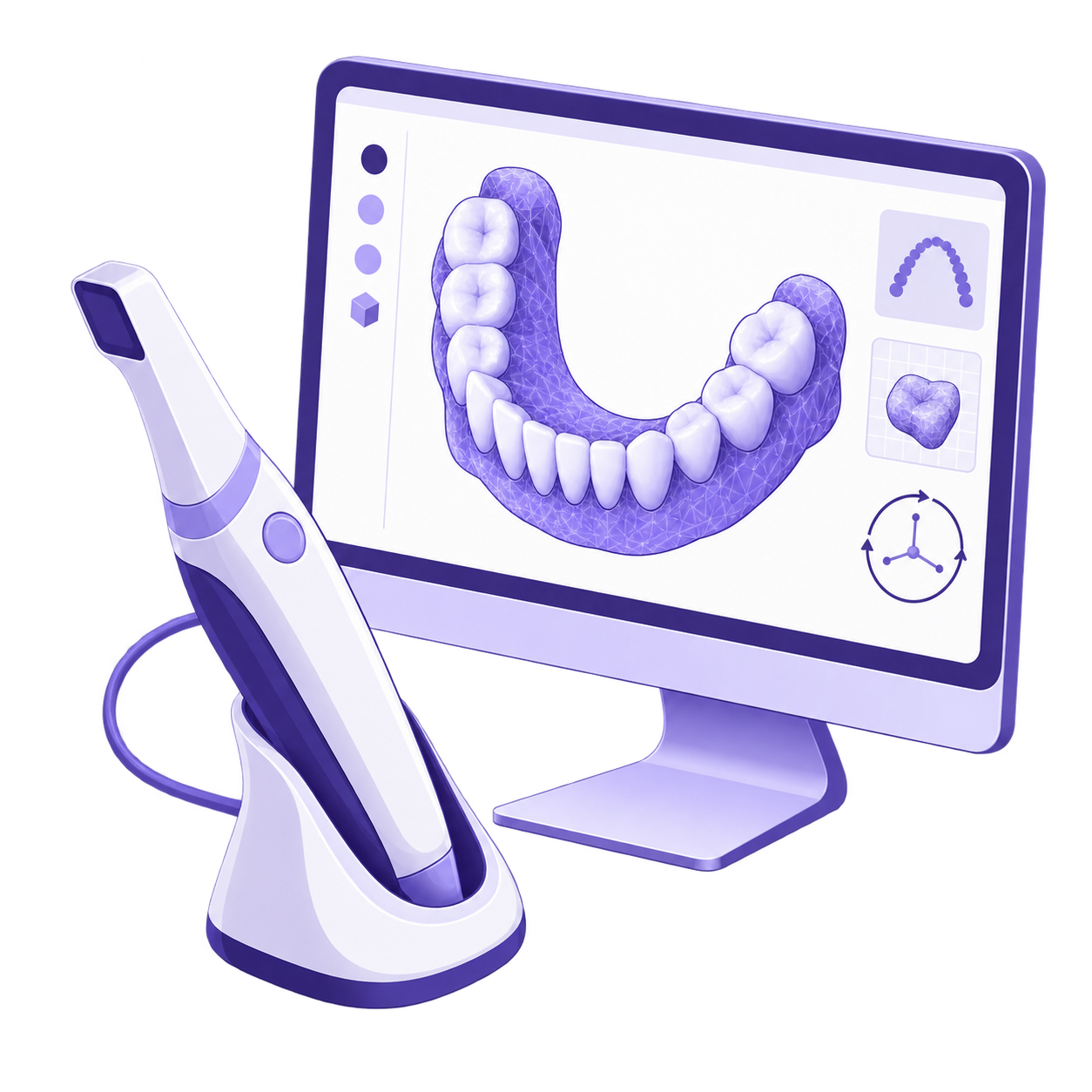
Discussing the timing of treatment
Crown treatment commonly involves preparation and fitting stages, with the number of visits and intervals determined by the case. A tooth may need further assessment, gum care or root canal treatment before a final restoration is considered. A treatment plan should explain the expected sequence rather than promise a fixed completion date for every patient. Ask how to manage a temporary restoration and who to contact if it loosens. If you have travel or scheduling constraints, raise them before treatment so the office can discuss what can realistically be arranged.

Single crown: same-day workflow
Patient education by Spear Education. Your dentist can explain which options apply to you and whether a referral is needed. The crown video shows one workflow; appointment timing and availability depend on your individual treatment plan.
Looking after a restored tooth
A crown does not remove the need to clean the tooth and surrounding gums. Brush with fluoride toothpaste and clean between teeth using the technique recommended for your situation. Keep the review schedule advised by your dentist. Changes in the bite, a loose crown, soreness or difficulty cleaning should be assessed rather than ignored. Avoid using teeth to open packages or bite hard objects. If clenching or grinding is a concern, ask whether further assessment is appropriate. The patient resources section can help you prepare care questions for your next appointment.
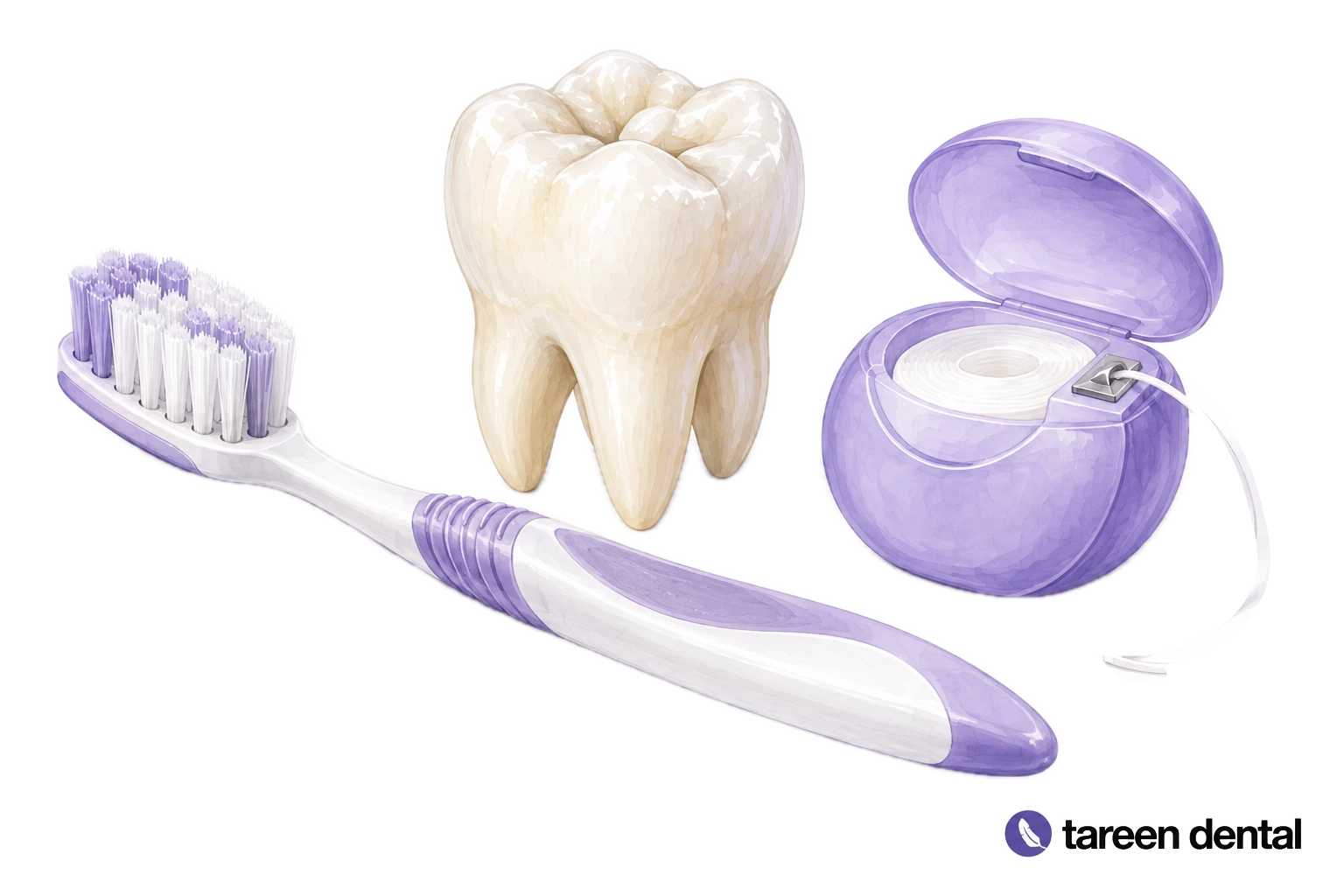
Questions to bring to a crown assessment
Ask why a crown is being suggested, what alternatives are reasonable and what each approach involves. You may also want to discuss the material, the condition of the tooth underneath and how the restoration will be checked after fitting. No restoration has a fixed lifespan for every person, and complications or further care can occur. Bring information about previous treatment and any recent symptoms. At our Lauzon Road practice, the discussion can focus on the specific tooth rather than assuming that the same restoration is right for every damaged or heavily filled tooth.

Common questions
Is a crown the same as a filling?
No. A filling replaces part of a tooth, while a crown covers the prepared tooth more extensively. The amount and location of damage help guide the choice.
Does every root-treated tooth need a crown?
Not necessarily. The tooth's location, remaining structure and bite are considered before recommending a final restoration.
How many crown appointments will I need?
Preparation and fitting are distinct stages. The number and timing of visits depend on assessment and any additional treatment required.
What if my crown becomes loose?
Contact the practice for advice. Keep the crown if it comes out, avoid chewing on the affected area and do not use household glue.
How long will a crown last?
There is no single lifespan for every crown. Oral hygiene, the supporting tooth, bite and other factors affect maintenance and future treatment needs.
Learn about crowns and bridges
These guides introduce the procedures and the planning conversations you may have with your dentist.