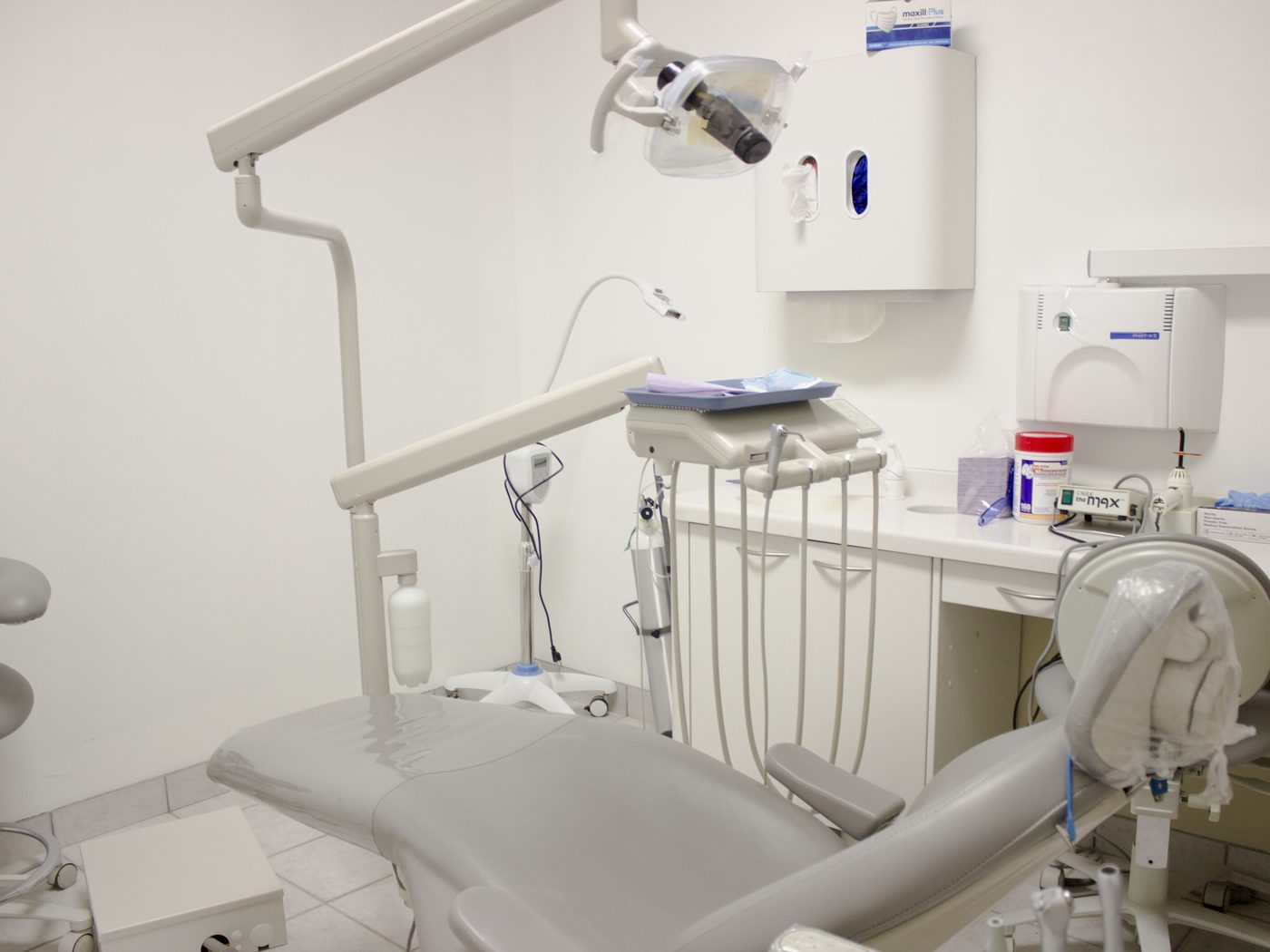
What a dental hygiene visit involves
The team reviews relevant health changes and asks about symptoms such as bleeding, sensitivity or difficulty cleaning certain areas. Gum assessment helps identify where additional attention may be needed. Cleaning removes plaque and hardened deposits from tooth surfaces; the approach depends on the findings. Other steps, such as polishing or fluoride treatment, may be discussed where appropriate. A hygiene appointment and a dental examination have related but different purposes. Check what is included in your scheduled visit and whether an examination is also due. Our dental hygiene overview introduces this part of your care.
Why cleaning intervals differ
Some people need closer gum monitoring or more frequent cleaning than others. Previous gum disease, the amount of buildup, home-care access, medical factors and changes over time can influence the recommendation. A calendar reminder is useful, but it should not replace the individual recall plan discussed with the team. If it has been longer than expected since your last visit, explain that when booking so the office can consider the appropriate appointment. Ask what the recommended interval is intended to monitor and when it should be reviewed. The schedule may change as your needs change.
Bleeding or sensitive gums deserve attention
Gums that bleed during brushing or cleaning between teeth may be inflamed, but symptoms alone do not establish a diagnosis. Let the dental team know about bleeding, swelling, persistent bad breath, recession or a change in how your teeth feel. Tell them when the problem began and whether you have changed a medicine or home-care product. A gentle approach is best while we help you understand the cause. An assessment can distinguish routine hygiene needs from conditions requiring further care. If symptoms are worsening, contact the practice rather than waiting for a seasonal reminder or the next routine appointment.
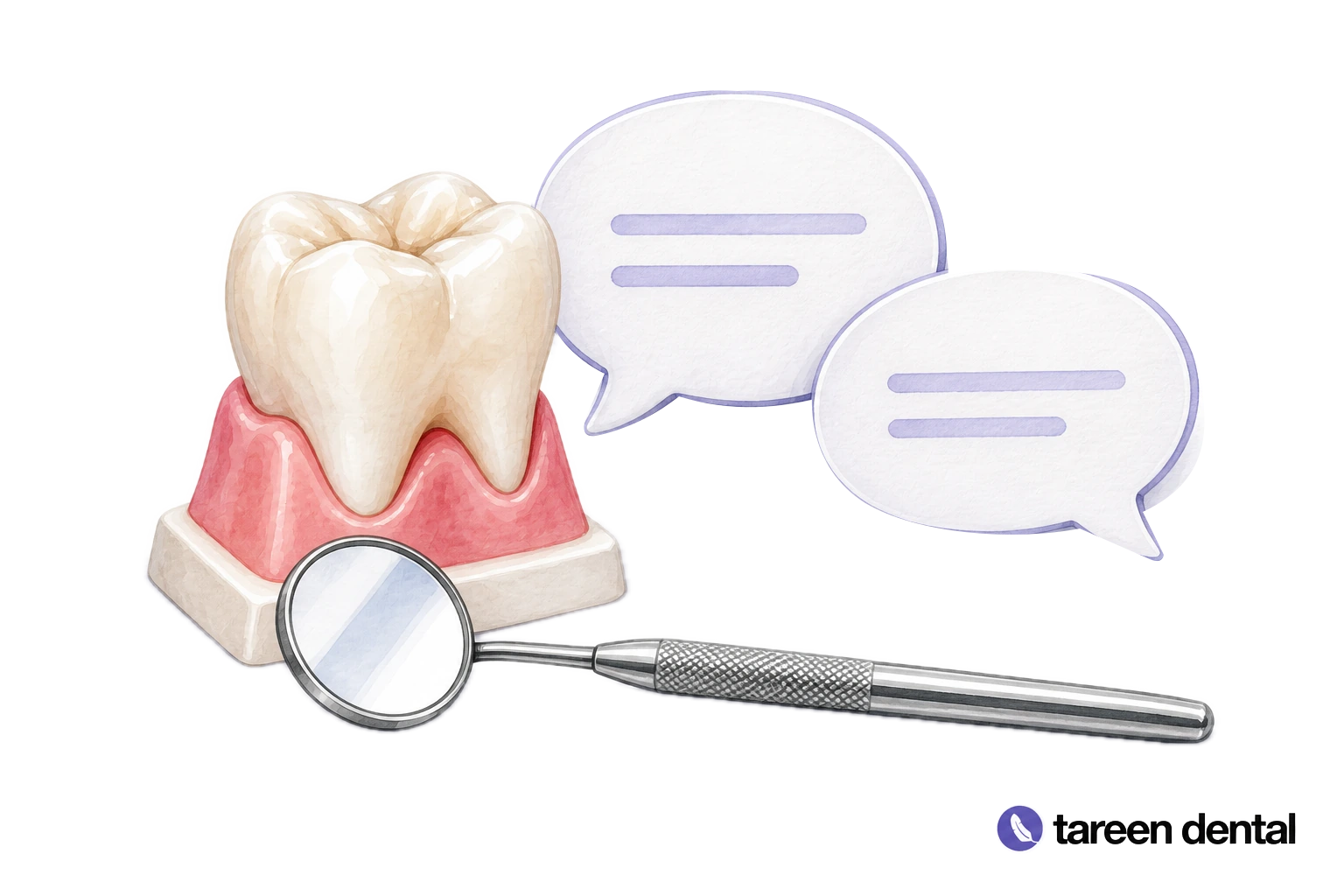
Care between hygiene appointments
Brush twice daily with fluoride toothpaste and clean between teeth using floss or another recommended aid. The appropriate technique matters, especially around crowded teeth, bridges, implants or an appliance. Ask the team to explain how to reach areas you find difficult and whether a different brush or interdental aid may help. Discuss dry mouth, sensitivity and eating habits without assuming that one product suits everyone. Children may need an adult's help with brushing. Our family dental care page covers appointments across different ages, and Patient Educational Videos can help you prepare questions.
Arranging your next hygiene visit
When booking, mention whether you are a new patient, when you last had dental care and whether you have a current concern. Bring an updated medication list and relevant health information. If you need several family appointments, let us know what each person needs so we can discuss suitable appointment lengths and times. A spring or back-to-school reminder can be a helpful prompt to check when your next recommended visit is due. At the appointment, ask what was found, which home-care steps need attention and when the next review is recommended for you.
Common questions
Does everyone need a cleaning every six months?
No. The recommended interval depends on gum health, buildup, history and other individual factors. Follow the recall plan discussed with your dental team.
Is a cleaning the same as a dental exam?
No. Hygiene care and a dentist's examination have different roles. Ask which services are planned for your visit and whether both are due.
Should I mention bleeding when I book?
Yes. Explain when it occurs and any other symptoms so the office can discuss the appropriate assessment rather than assuming a routine cleaning is sufficient.
Can brushing remove hardened tartar?
Hardened deposits require professional removal. Daily brushing and cleaning between teeth remain important for managing plaque between appointments.
What if my teeth are sensitive?
Tell the team before cleaning begins. Sensitivity can have different causes, so assessment and an individualized approach are important.
Continue your home-care routine
These short guides can help you prepare questions about your daily routine.